Light Psychology Guide
Understanding how light shapes our emotions, mood, and daily rhythms
Morning vs. Evening Lux Levels
Light intensity, measured in lux, varies dramatically throughout the day and has distinct effects on our physiology and psychology.
Morning Light (6 AM - 10 AM)
Lux Levels: 10,000 - 50,000 lux
Morning sunlight is rich in blue wavelengths that help reset your circadian rhythm. Exposure to morning light:
- Increases alertness and energy
- Improves mood and reduces stress
- Enhances cognitive performance
- Regulates sleep-wake cycles
Recommendation: Spend at least 15-30 minutes near a window or outdoors in the morning to maximize these benefits.
Evening Light (6 PM - 10 PM)
Lux Levels: 1 - 100 lux (indoor)
Evening light should be warmer and dimmer to prepare your body for rest. Characteristics include:
- Warmer color temperature (2000K-3000K)
- Lower intensity to signal bedtime
- Reduced blue light exposure
- Promotes melatonin production
Recommendation: Use warm, dimmable lights in the evening and avoid bright screens 1-2 hours before bed.
The Role of Blue Light in Mood
Blue light, which is abundant in daylight and digital screens, plays a crucial role in regulating mood and alertness.
Blue Light Benefits
Daytime Exposure: Blue light during the day helps maintain alertness, improves reaction times, and can alleviate symptoms of seasonal affective patterns. It stimulates the production of serotonin, a neurotransmitter associated with mood regulation.
Blue Light Considerations
Evening Exposure: Excessive blue light in the evening can disrupt sleep patterns by suppressing melatonin production. This can lead to difficulty falling asleep and reduced sleep quality.
Practical Applications
- Maximize blue light exposure during morning and midday hours
- Use blue-enriched light therapy lamps for seasonal mood support
- Reduce blue light exposure 2-3 hours before bedtime
- Consider blue light filters for evening screen use
Sunlight for Focus and Productivity
Natural sunlight provides the optimal spectrum for maintaining focus and enhancing productivity throughout the day.
Optimal Workspace Lighting
For tasks requiring sustained attention and mental clarity:
- Position your workspace near north or east-facing windows
- Aim for 500-1000 lux at your work surface
- Use indirect natural light to reduce glare
- Combine natural light with task lighting for consistency
Lighting for Different Tasks
Reading & Writing: 300-500 lux, warm to neutral white (3000K-4000K)
Computer Work: 200-300 lux ambient, with screen brightness adjusted to match
Creative Work: 500-1000 lux, full spectrum natural light preferred
Meetings: 300-500 lux, even distribution to reduce eye strain
Soft Shadows for Calming Environments
While bright, direct light enhances alertness, soft shadows and diffused light create spaces that promote relaxation and calm.
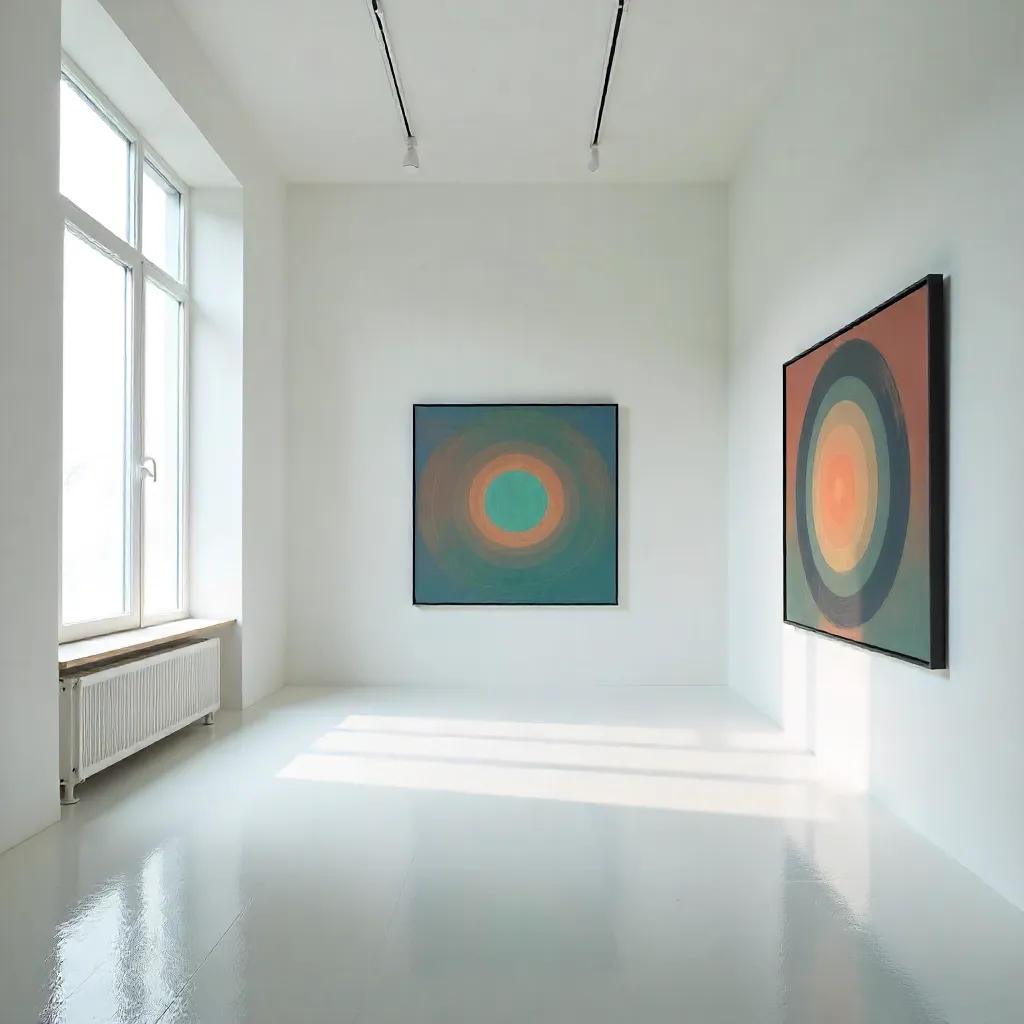
Creating Calm Through Light Design
Soft, diffused lighting with gentle shadows mimics natural conditions during dawn and dusk, signaling to your body that it's time to unwind.
Techniques for Calming Light
- Diffusion: Use sheer curtains or frosted glass to soften direct sunlight
- Indirect Lighting: Bounce light off walls or ceilings for even distribution
- Warm Tones: Choose warm white bulbs (2700K-3000K) for evening relaxation
- Layered Lighting: Combine ambient, task, and accent lighting for depth
- Dimmable Controls: Adjust light intensity throughout the day to match natural rhythms
Seasonal Affective Influences
Changes in daylight duration and intensity throughout the seasons can significantly impact mood and energy levels.
Winter Challenges
Reduced daylight hours and lower light intensity can lead to:
- Lower energy levels
- Mood fluctuations
- Difficulty waking up
- Increased need for rest
Solution: Light therapy lamps (10,000 lux) used for 20-30 minutes in the morning can help compensate for reduced natural light.
Spring & Summer Benefits
Longer days and brighter light provide:
- Increased energy and motivation
- Improved mood stability
- Better sleep quality
- Enhanced vitamin D production
Tip: Take advantage of longer days by spending time outdoors during peak daylight hours.
Autumn Transitions
As days shorten, gradual adjustments help:
- Maintain consistent sleep schedules
- Preserve energy levels
- Support mood stability
- Prepare for winter changes
Strategy: Gradually increase indoor lighting as natural light decreases to maintain consistency.
Recommended Light Setups for Emotional Goals
Different activities and emotional states benefit from specific lighting configurations. Here are evidence-based recommendations:
Creative Work
Light Setup:
- Bright, full-spectrum natural light (500-1000 lux)
- Color temperature: 5000K-6500K (daylight white)
- Multiple light sources to reduce shadows
- North-facing windows for consistent, indirect light
Why It Works: Bright, cool-toned light enhances alertness and cognitive flexibility, supporting creative problem-solving.
Rest & Relaxation
Light Setup:
- Dim, warm ambient light (50-200 lux)
- Color temperature: 2000K-2700K (warm white)
- Soft, diffused lighting with gentle shadows
- Dimmable controls for gradual transitions
Why It Works: Warm, low-intensity light signals the body to prepare for rest and promotes melatonin production.
Reading & Study
Light Setup:
- Moderate task lighting (300-500 lux)
- Color temperature: 3000K-4000K (neutral white)
- Focused light on reading material
- Reduced glare and even distribution
Why It Works: Balanced light intensity reduces eye strain while maintaining focus and comprehension.
Social & Dining
Light Setup:
- Moderate ambient light (200-300 lux)
- Color temperature: 2700K-3000K (warm white)
- Multiple light sources at table level
- Soft shadows for intimate atmosphere
Why It Works: Warm, moderate lighting creates a welcoming, comfortable environment that encourages connection.
Understanding Sunlight Angles
The angle of sunlight changes throughout the day and year, affecting both the quality and intensity of light in your space.
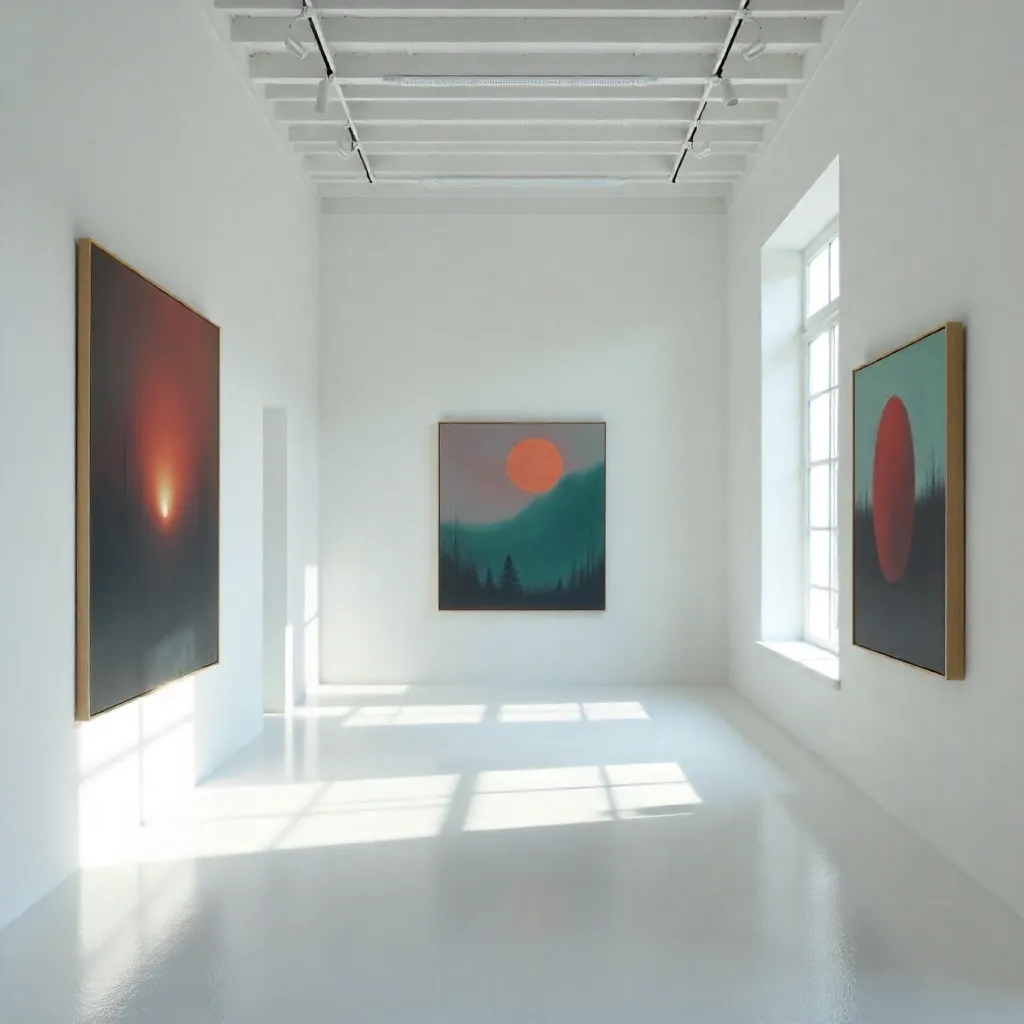
Daily Sun Path
Morning (East-facing): Low-angle sunlight provides warm, directional light that creates long shadows. Ideal for energizing morning routines.
Midday (South-facing): High-angle, intense sunlight offers maximum brightness and minimal shadows. Best for tasks requiring high visibility.
Afternoon (West-facing): Warm, golden light with increasing shadows. Creates a cozy, relaxed atmosphere perfect for winding down.
North-facing: Consistent, indirect light throughout the day with minimal direct sunlight. Excellent for consistent work environments.
Seasonal Variations
In summer, the sun reaches higher angles, providing more direct overhead light. In winter, lower sun angles create longer shadows and softer, more diffused light. Understanding these patterns helps you plan furniture placement and window treatments for optimal year-round lighting.